The Role of NGOs in Transforming Rural Pakistan

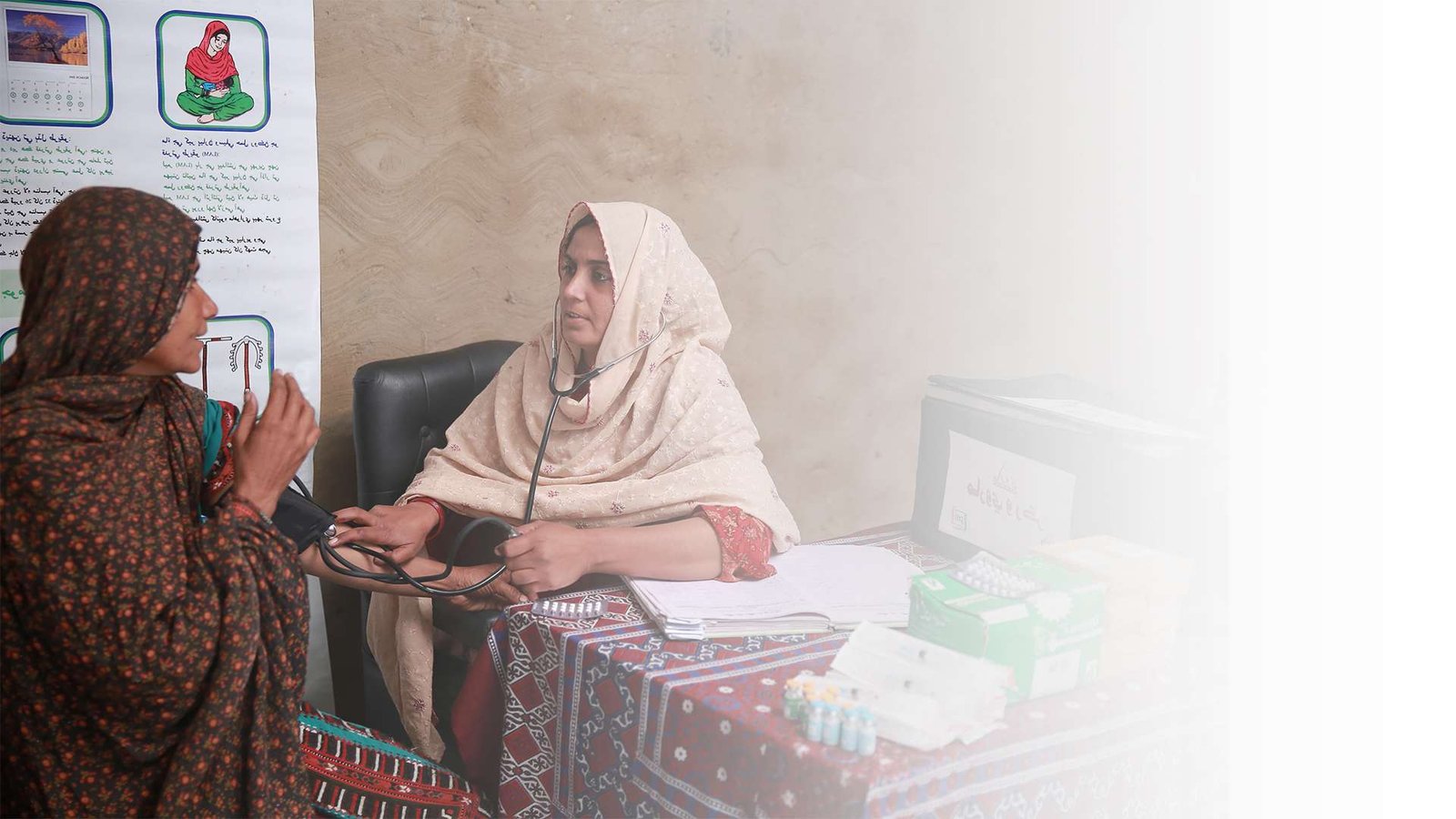
Rural development involves connected challenges: access to learning, health services, clean water, transport and opportunities to earn. Non-governmental organisations can work with residents and public institutions to address gaps in these services.
Education initiatives may include learning support and teacher development. Livelihood programmes can help people gain practical skills, while infrastructure projects improve access to essential facilities.
Local participation matters throughout this work. Residents understand the barriers they face and should have a role in selecting priorities and maintaining shared facilities.
This article adapts themes from the HANDS reference blog. Its central message is that sustained development combines services and community involvement, helping people gain the resources and confidence to shape their own future.
Adapted from HANDS Welfare Foundation reference material. Photographs relate to the original account.