About CRF
Centre for Resource and Facilitation (CRF), Pakistan
The Centre for Resource and Facilitation (CRF), Pakistan, is a non-governmental, non-political, non-religious and nonprofit civil society organization established in Sargodha, Punjab, in August 2026.
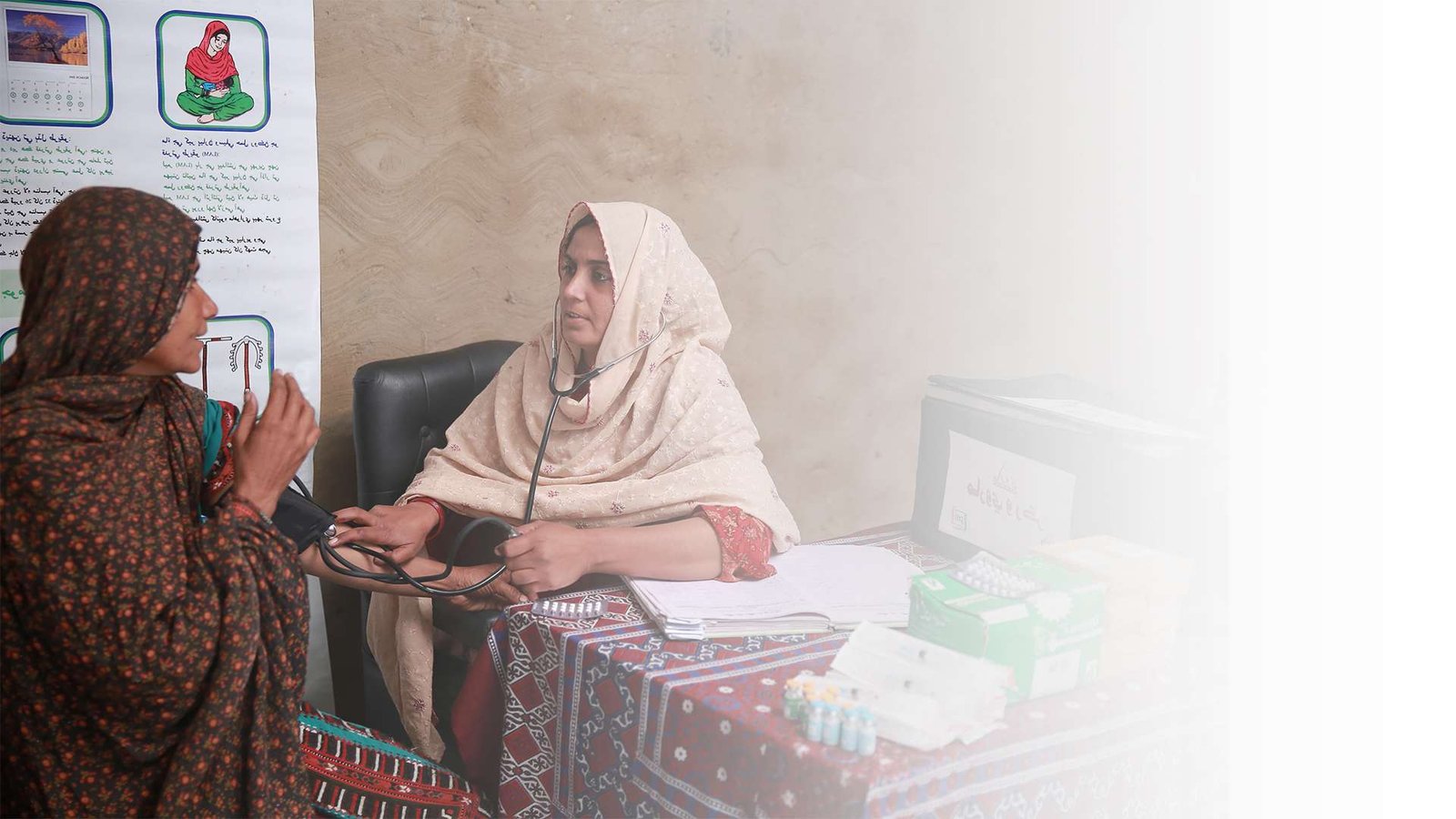
CRF works with marginalized and disadvantaged communities to improve access to opportunities, resources and rights. Its work connects welfare access, skills development, employment support, legal and human rights protection, inclusive education, social harmony and sustainable community development.
As a locally rooted organization, CRF is committed to transparent governance, accountable partnerships, documented activities and measurable results.

Our Vision
An inclusive and just society in which marginalized communities have equal access to opportunities, resources and rights, enabling personal, social and economic empowerment.
Our Mission
To empower disadvantaged communities through welfare access, skills development, employment support, legal assistance and human rights protection while promoting dignity and environmental responsibility.
Our Approach
Community-centred, inclusive and rights-based action delivered through participation, capacity development, responsible referrals, institutional collaboration and continuous learning.
Institutional Profile
CRF is a newly established, locally rooted nonprofit civil society organization based in District Sargodha, Punjab. It is building its own institutional record through transparent governance, accountable partnerships, documented activities and measurable results.
The professional and voluntary experience of individual founding members provides a foundation for CRF’s development. Earlier achievements, affiliations and recognitions are not presented as projects, contracts, endorsements or funding received by CRF.
Our History and Rationale
CRF’s roots can be traced to an informal voluntary network formed in 2016 by social workers and community activists. Shared work in human rights, peacebuilding, social inclusion and support for vulnerable groups highlighted the need for a structured, locally accountable institution.
CRF was established in August 2026 to address barriers linked to poverty, discrimination, limited information, educational exclusion, protection risks and weak connections between communities and relevant institutions. The organization focuses on practical action that expands access to opportunity while protecting dignity and rights.
Core Values and Guiding Principles
Human dignity, equality and non-discrimination guide CRF’s work. The organization promotes child rights and safeguarding, inclusive education, gender equality, peaceful coexistence, participation and community ownership.
CRF also commits to integrity, accountability, evidence and learning, constructive partnership, confidentiality and the principle of doing no harm.
Community-Centred Approach
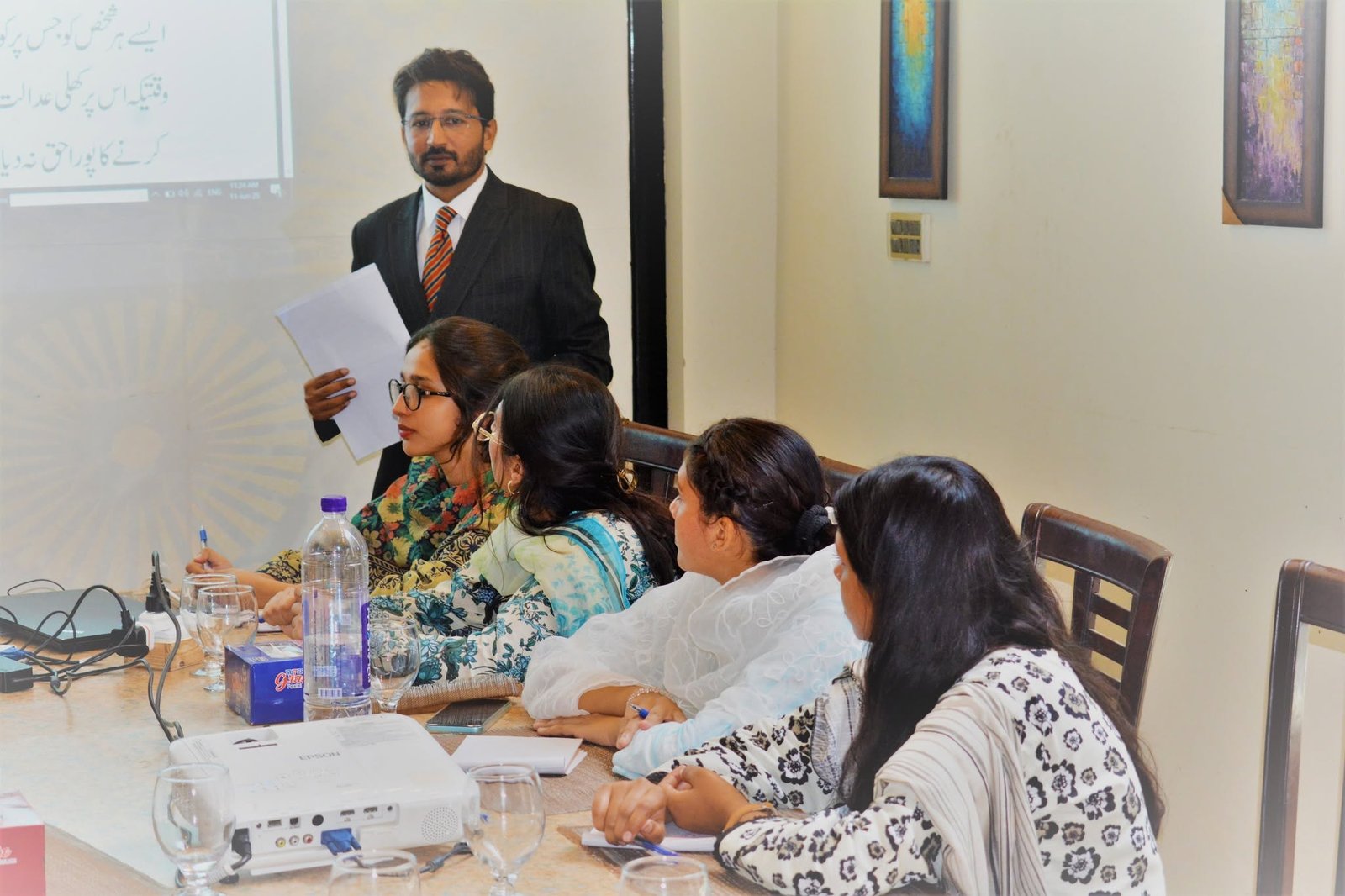
CRF uses participatory assessment, community consultation and inclusive programme design to understand needs and barriers. Its approach combines capacity development, responsible facilitation and referrals, evidence-informed planning, monitoring, learning, safeguarding and sustainability planning.
Programmes are shaped by identified community needs, available resources, organizational capacity and applicable legal requirements.
Target Communities and Geographic Focus
CRF’s intended participants include marginalized communities, low-income households, job seekers, people requiring welfare or legal referrals, religious minorities, women and girls, children facing educational or protection barriers, caregivers, educators, young people and community organizations.
The initial geographic focus is District Sargodha, Punjab. Work in specific communities follows needs assessment, consultation, feasibility review and confirmation of resources. Expansion may be considered as capacity and partnerships develop.
Governance, Accountability and Learning
CRF recognizes that credible governance is essential for community trust and donor confidence. Its developing framework covers defined responsibilities, documented decisions, budgeting and financial controls, transparent procurement, conflict-of-interest management, safeguarding, complaints handling, responsible data management and compliance with applicable laws.
Monitoring, evaluation, accountability and learning are integrated in proportion to each programme. Tools may include needs assessments, objectives and indicators, protected beneficiary records, activity reports, participant feedback, stakeholder consultation, progress reviews and financial and narrative reporting.
Partnerships and Future Direction
CRF seeks ethical collaboration with community organizations, civil society networks, educational institutions, government departments, qualified professionals, local leaders, development partners and philanthropic institutions. Formal partnerships, endorsements and funding arrangements are recognized only when documented.
CRF’s future priorities include formalizing core policies, strengthening programme planning and reporting, building staff and volunteer capacity, preparing evidence-informed proposals, documenting results, improving information systems and increasing community ownership.